Importing a used vehicle usually starts with a calculation: the price of the vehicle abroad plus the cost of transport, and it looks like a good deal. Then the customs value appears, the amount on which import duties are calculated, and the calculation changes. It is worth understanding where that figure comes from.
A note right at the start: we do not act as customs agents and we do not represent clients in customs proceedings. The customs value and the calculation of duties are decided by the customs authority, and a freight forwarder is engaged for the procedure itself. What is our work is establishing the actual condition and value of the vehicle, and that is the piece of information that is often missing in this story.
Why an invoice is not always enough
The price on the invoice is the starting point, but not the only reference. If the amount is noticeably lower than what such a vehicle achieves on the market, the value is established by comparison with the available sources of data, including vehicle value catalogues. The same principle applies to the tax on the transfer of absolute rights when a vehicle is bought and sold within the country.
The result is that a buyer can be taken by surprise, having counted on the amount from the invoice while the base has been established higher.
Where the biggest oversight happens
The most expensive mistake when importing is not a customs one but a technical one: a vehicle that suffered serious damage abroad, where that cannot be seen from the documentation. Vehicles bought as total losses also end up at the big European auctions, and after repair they look perfectly sound.
Such a vehicle:
- is worth significantly less than the average for that model, both before and after import,
- may have a damaged load bearing structure that cannot be seen without measurement,
- is harder to insure under comprehensive cover at full value,
- is hard to sell once a buyer discovers its history.
What can be checked before you pay
- The compatibility of damage and repairs. Traces of respraying, replaced parts and irregular panel gaps show the extent of earlier damage.
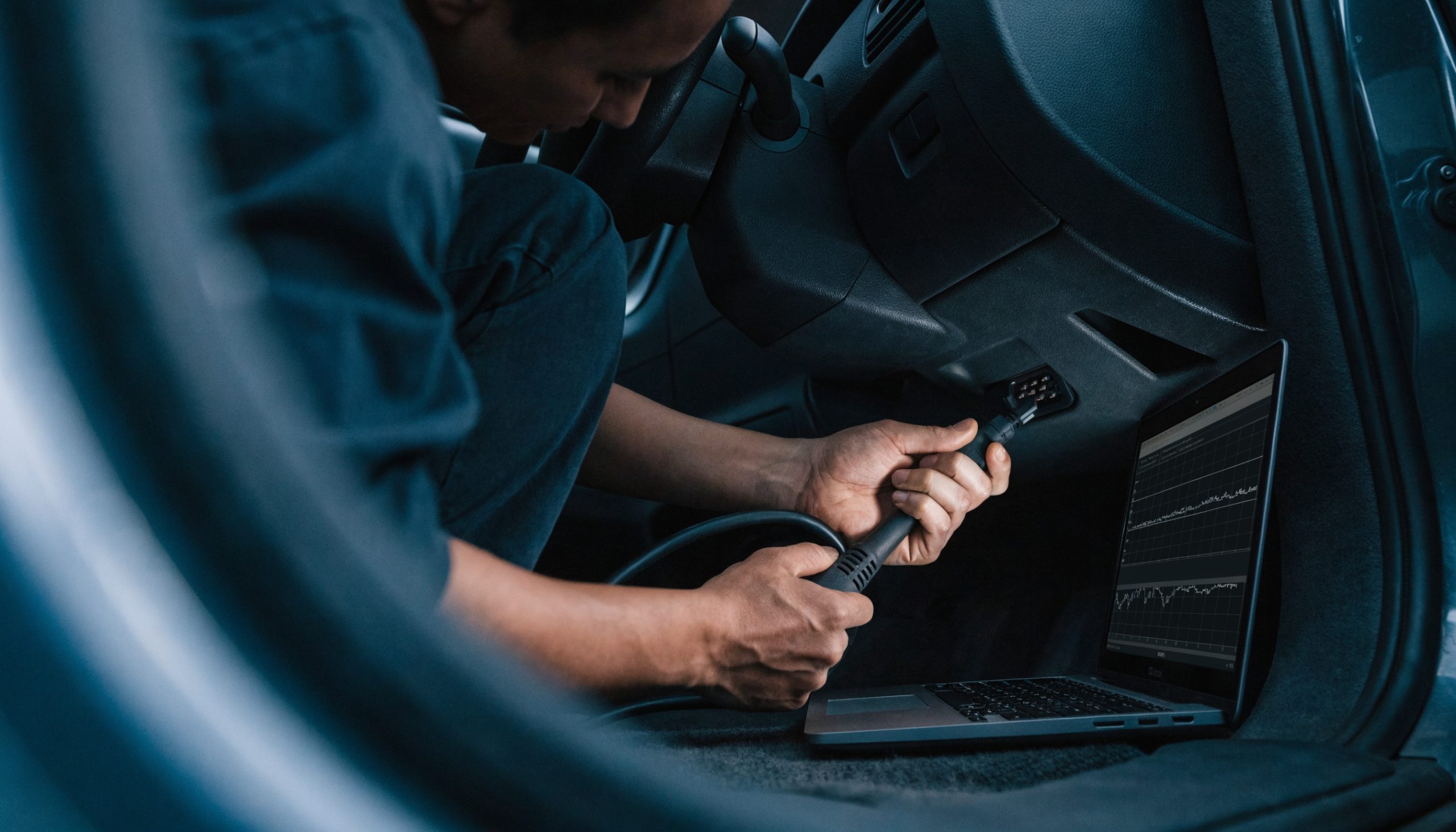
- Data from the vehicle. With newer vehicles, the EDR record and diagnostics can reveal traces of a serious event and of interventions.
- Actual condition and equipment. The equipment level and the state of preservation change the value more than people expect.
- Comparable prices on the domestic market. In the end the vehicle is sold here, not where it was bought.
Why value matters after import as well
The value of an imported vehicle is not used only once. The same figure appears as the starting value for comprehensive kasko insurance, as the starting point in any total loss calculation, and as the basis when the vehicle is sold on. If it is set wrongly at the beginning, the error is repeated every time.
What we do
We carry out vehicle valuations and establish earlier damage, with a report that contains a reasoned methodology and photographic documentation. For vehicles that are already in the country, we can carry out the inspection on site or, where the damage is clearly visible, by remote video assessment.
If the vehicle was damaged abroad or a foreign vehicle was involved in the case, take a look at the page about damage abroad as well. For customs proceedings and the calculation of duties, turn to a freight forwarder or to the customs authority. For the question of how much a vehicle is really worth and what happened to it in the past, get in touch with us.
Frequently asked questions
Is the customs value calculated on the price from the invoice?
The invoice is the starting point, but not the only reference. If the amount is noticeably lower than the market value of such a vehicle, the value is established by comparison with the available sources of data. The customs value and the duties are decided by the customs authority.
How do I know that an imported vehicle was not seriously damaged?
An inspection establishes traces of respraying, replaced parts, irregular panel gaps and any damage to the load bearing structure. With newer vehicles, diagnostics and the data recorded in the vehicle give an additional picture. The documentation on its own often does not reveal this.
Do you handle the customs procedure?
No. We do not act as customs agents or represent clients in customs proceedings, as a freight forwarder is engaged for that. We establish the actual condition and value of the vehicle and prepare a report with a reasoned methodology.
Can a vehicle be inspected before I import it?
For vehicles that are still abroad we can analyse the available documentation and photographs, but that is no substitute for a physical inspection. A reliable report on condition is given when the vehicle is available for inspection.
Why does the value of an imported vehicle matter after customs clearance too?
Because the same value is used as the starting value for comprehensive kasko insurance, as the starting point when a total loss is calculated and as the basis when the vehicle is sold on. An error made at the beginning is repeated in every subsequent procedure.