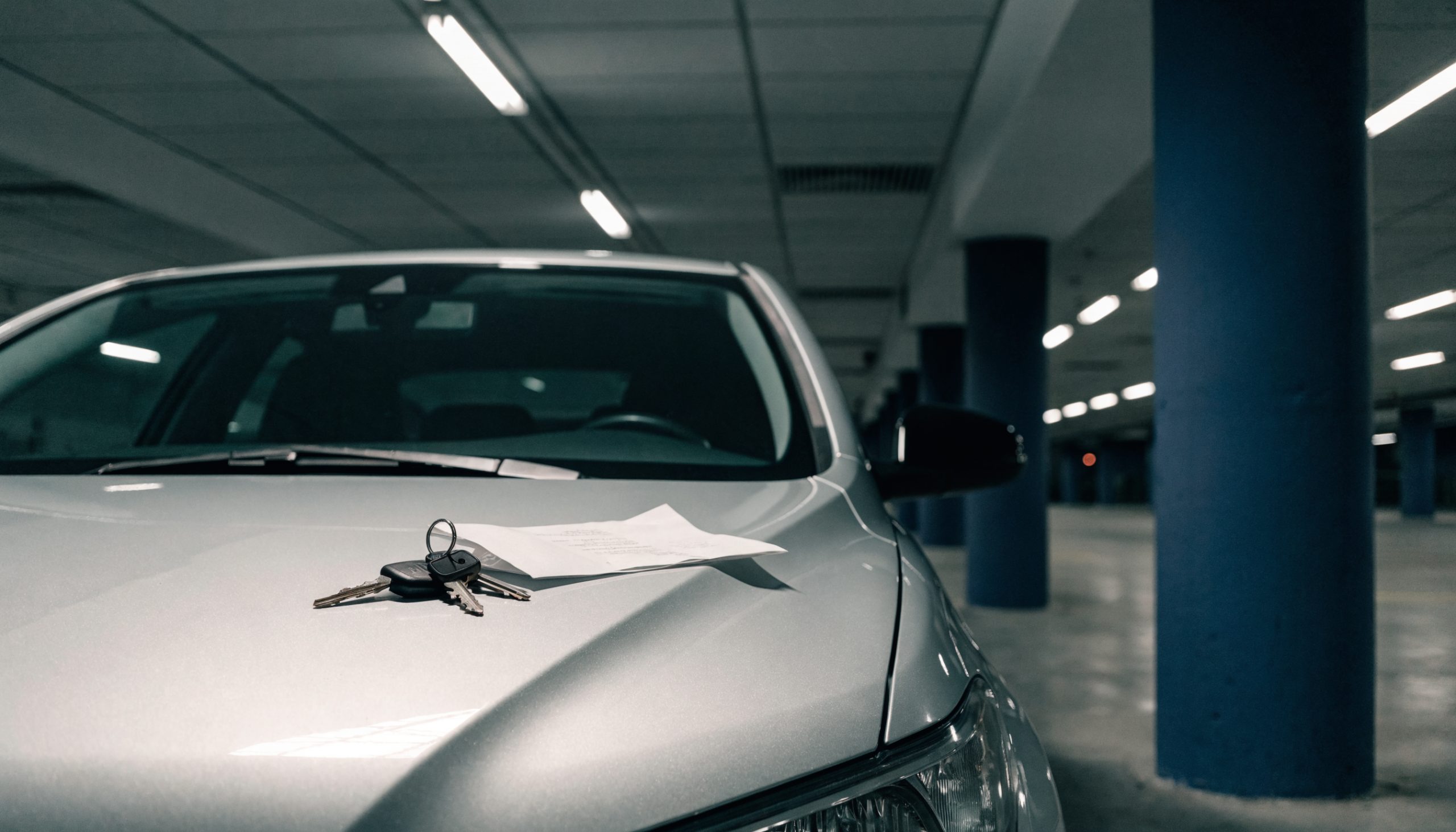
Comprehensive (kasko) insurance covers damage to your own vehicle, no matter who is liable. That is what fundamentally distinguishes it from third party liability cover, which covers damage you cause to somebody else. If you are wondering how much it costs, the answer depends on several factors, and the biggest saving usually comes not from a lower premium but from correctly chosen cover.
Comprehensive cover and third party liability are not the same thing
Third party liability insurance is compulsory and covers damage you cause to others with your vehicle. It does not cover your own vehicle.
Comprehensive (kasko) cover is voluntary and covers damage to your own vehicle, including cases where you are liable yourself, where the liable party is unknown, or where the damage is caused by an event that has nothing to do with traffic.
Full and partial comprehensive cover
Full comprehensive cover covers a broad set of risks, including collision and your own liability.
Partial comprehensive cover covers a narrower, preselected set of risks, most often those that do not depend on driving. It is cheaper, but it assumes you know what you have chosen. With partial cover, most misunderstandings arise when the owner assumes they have something they did not agree to.
What comprehensive cover usually includes
- A traffic accident, including one you caused yourself
- Natural disasters, hail, storm, flood, lightning strike
- Fire and explosion
- Theft of the vehicle and theft of parts, depending on the cover
- Malicious acts by third parties
- Objects falling onto the vehicle
- Damage to glass
The exact list and the limitations are set out in the insurance terms, and these differ between companies. The terms are as much a part of the contract as the policy itself.
What is most often not covered
- Wear and tear and breakdowns that are not the result of a loss event
- Damage caused by driving under the influence of alcohol or without a valid licence
- Deliberately caused damage
- Use of the vehicle contrary to the purpose entered in the policy
- Damage that occurred before the policy came into force
What affects the price of the policy
The premium is not set as a lump sum. It is affected by:
- The value of the vehicle, because that is the basis for the calculation
- The age, make and model of the vehicle
- The scope of cover, full or partial comprehensive
- The size of the deductible
- Your claims history and the no claims bonus you have earned
- The purpose of the vehicle, because a taxi and a rental car are not the same risk as private use
- How the vehicle is kept and the protection fitted to it
Because of the first item, an accurately established vehicle value directly affects both the premium and the amount you will receive in the event of a loss. If the sum insured is set too high, you pay more than you should. If it is too low, you receive less than you expect when a loss occurs.
The deductible, your share in the loss
The deductible is the part of the loss you bear yourself. A higher deductible means a lower premium and the other way round. The calculation only makes sense if you know how often you report claims. For vehicles that are used very little, a higher deductible is often worthwhile. For a fleet with frequent small losses, it usually is not.
The sum insured, where most is lost
The sum insured is the amount for which the vehicle is insured and the basis for calculating the premium. In practice two mistakes are encountered, and both are expensive.
Over insurance means that the sum is higher than the actual value of the vehicle. For years you pay a premium on an amount you will never receive in a claim, because compensation is nevertheless based on the actual value.
Under insurance means that the sum is lower than the value of the vehicle. The premium is smaller, but in a claim the compensation can be reduced proportionally. With partial damage that can be an unpleasant surprise.
With older vehicles the value falls from year to year, so a sum that was correct when the policy was first taken out is no longer correct after several renewals. That is why, when the policy is renewed, it is worth going back to a vehicle valuation instead of renewing automatically.
Comprehensive cover for fleets
With fleets the calculation changes. The premium is agreed at the level of the whole fleet rather than per vehicle, and the negotiating position is significantly different from that of a private individual. The claims handling terms also matter, because with a fleet it is not only the amount of the loss that is decisive but also how long the vehicle stands idle.
For companies that want to take the whole process off their hands, from reporting the claim to putting the vehicle back into service, there is our fleet assistance service.
What to do as soon as damage occurs
- Photograph the damage before anything is moved or cleaned
- Report the claim within the deadline set out in the insurance terms
- Do not repair the vehicle before it has been inspected
- Keep the replaced parts if the repair has already started
- Ask for a written calculation of the loss, not just an amount
If the calculation does not match the actual cost, you have grounds to request an independent damage assessment.
How to compare offers properly
Comparing on price alone is the most common mistake. Compare:
- The scope of cover, risk by risk
- The exclusions, because that is where companies differ most
- The size and type of deductible
- The basis for calculating the loss and the application of depreciation to parts
- Whether the loss is paid according to the workshop invoice or according to the calculation made by the company
- The conditions for keeping the no claims bonus
Points four and five most often make the difference in what is actually paid out, and they are rarely read before signing.
The most common mistakes when taking out a policy
- Choosing partial comprehensive cover without knowing which risks have been left out
- A sum insured that does not match the actual value of the vehicle
- An unreported change in the purpose of the vehicle
- Comparing offers purely on the premium
- Not knowing how a loss will be calculated before a loss occurs
We do not sell policies. We analyse risks, compare offers from several companies and propose the cover that suits your situation, through our insurance consulting service. If the damage has already happened, read how claiming damages from insurance works.
For an analysis of your existing policy get in touch with us.
Frequently asked questions
Does comprehensive cover pay for damage I caused myself?
That is the basic difference compared with third party liability cover. Comprehensive insurance covers damage to your own vehicle regardless of fault, while third party liability covers only the damage you cause to somebody else. The scope of cover depends on whether full or partial comprehensive cover has been agreed.
What is a deductible and is a higher one worthwhile?
The deductible is the part of the loss you bear yourself. A higher deductible means a lower premium, but also a higher cost with every claim. It makes sense if you rarely report claims and can cover that amount from your own funds.
Why does the sum insured matter so much?
Because the premium is calculated on it, and it is also the starting point when a loss is calculated. A sum that is too high means you pay more than you should, while one that is too low means that in a larger claim you receive less than you are entitled to. An independently established vehicle value prevents both scenarios.
What does comprehensive cover most often exclude?
The usual exclusions are driving under the influence of alcohol or without an appropriate driving licence, deliberately caused damage, breakdowns and wear and tear, and damage arising during competitive driving. The exact list depends on the terms of the particular company and should be read before signing.